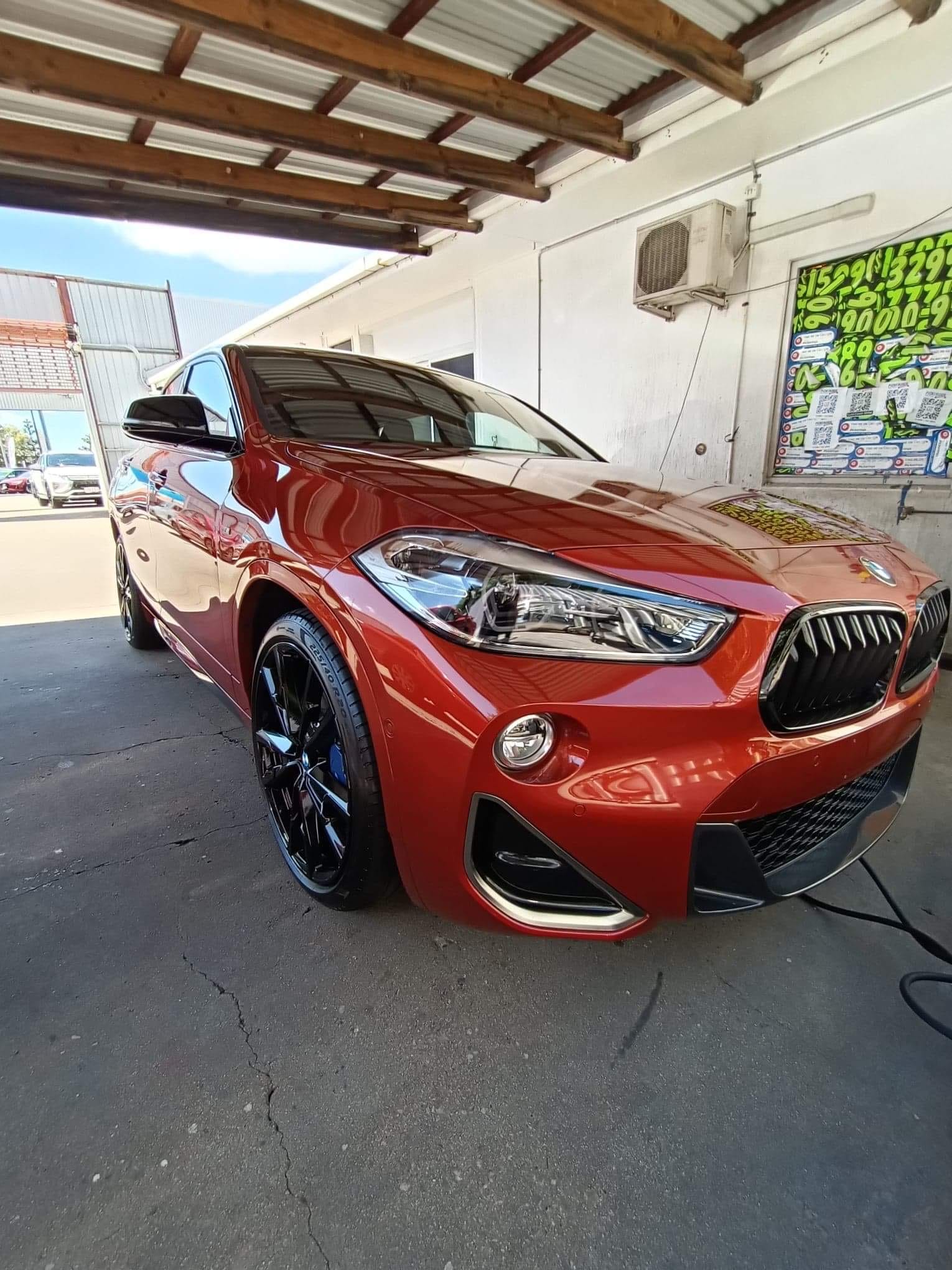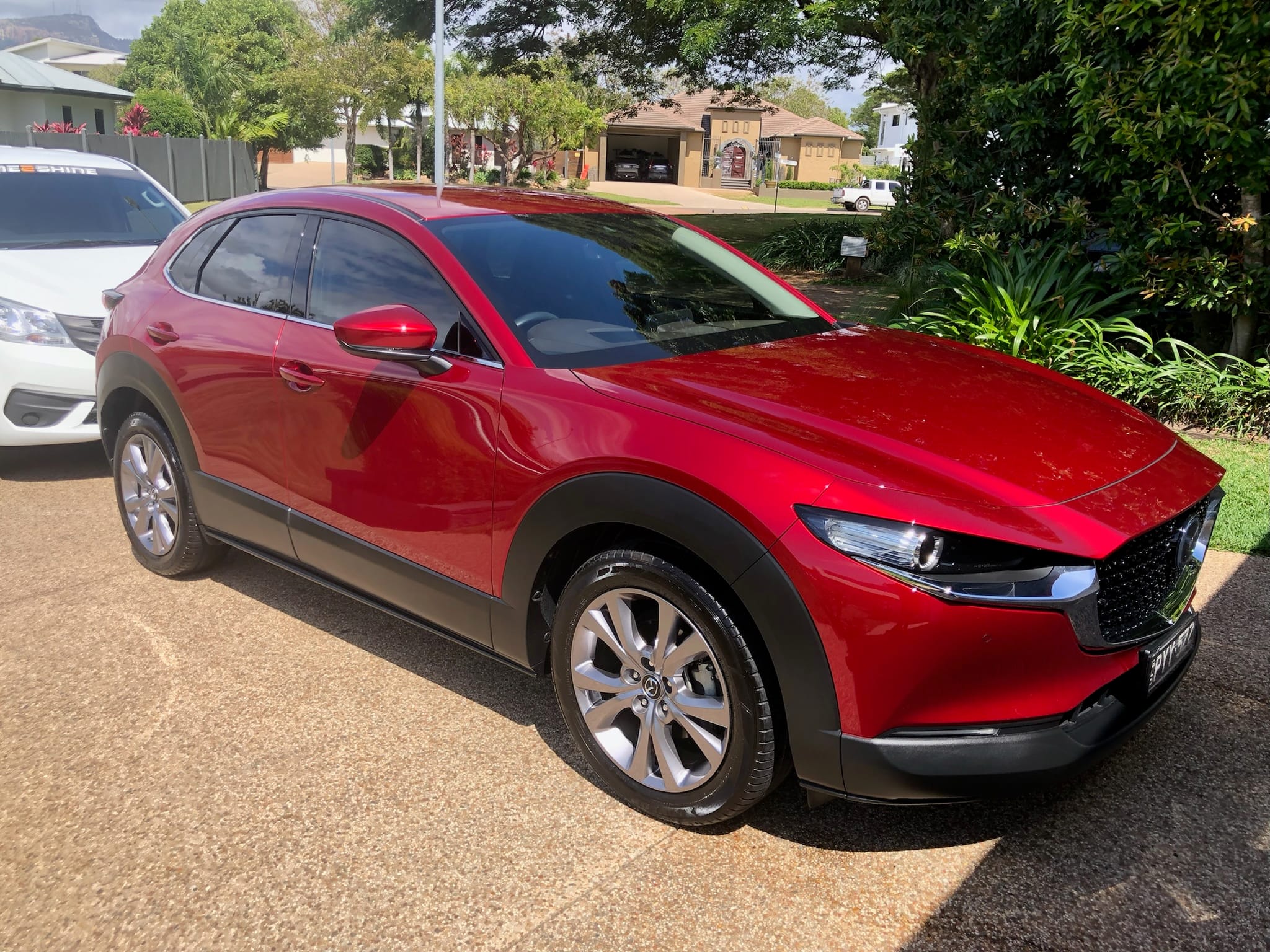
Your car's paint takes a beating every single day. Sun, rain, dirt, bird droppings, automated car washes, and even improper washing techniques all leave their mark over time. Paint correction is the process of removing those imperfections to restore your paint to its original (or better than original) condition.
Here are five clear signs that your car could benefit from a professional paint correction.
1. Swirl Marks Visible in Direct Sunlight
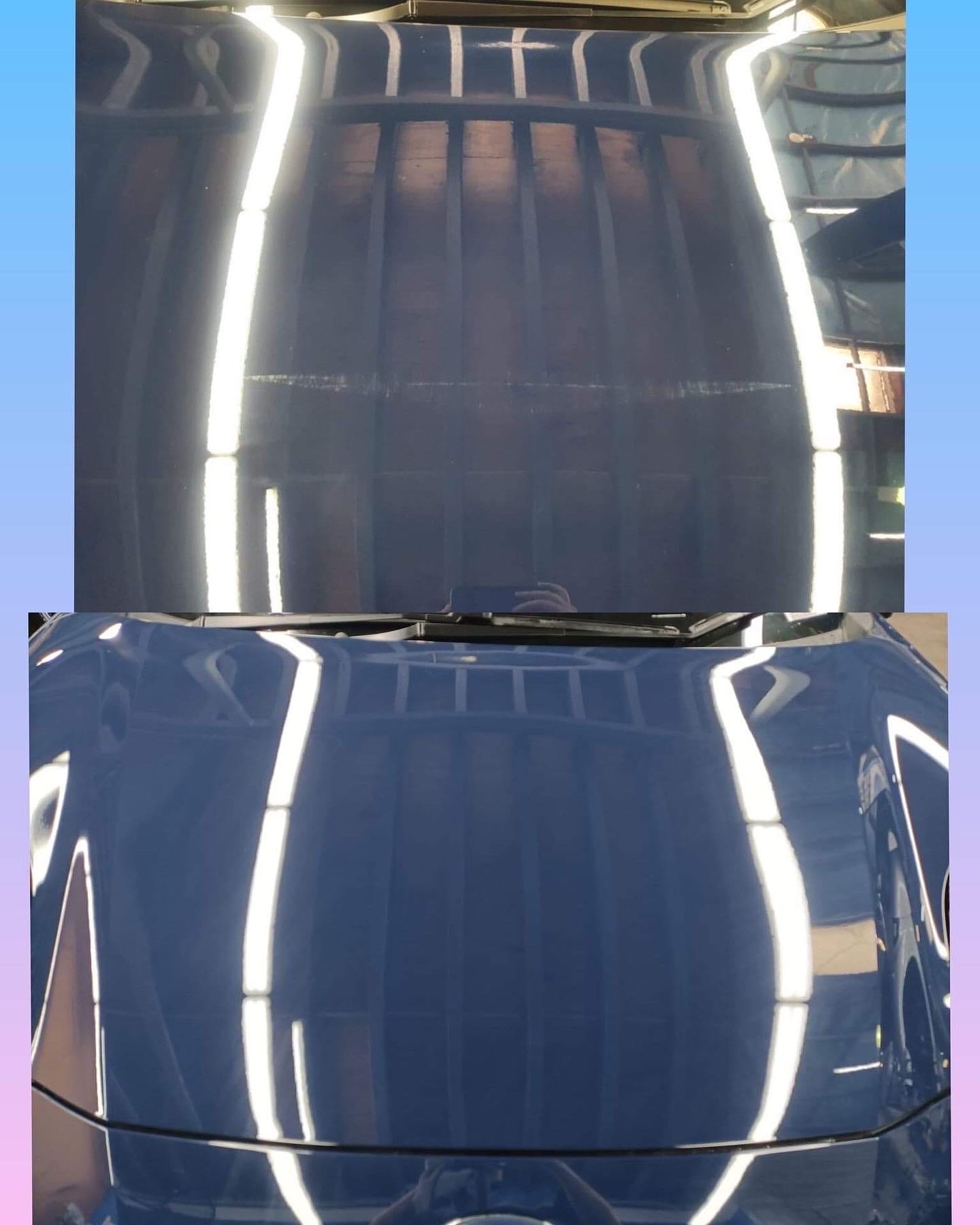
Swirl marks are the most common paint defect, and almost every car on the road has them. They appear as fine, circular scratches across the paint surface and are most visible in direct sunlight or under bright artificial light.
Swirl marks are usually caused by improper washing techniques: using a dirty sponge, wiping a dusty car with a dry cloth, or running through automatic car washes with spinning brushes. Once you see them, you cannot unsee them.
A single-stage or multi-stage machine polish removes swirl marks by levelling the clear coat, leaving the surface smooth and reflective again.
2. Paint Looks Dull and Lifeless
If your car's paint has lost its depth and shine, even right after a wash, it is a sign the clear coat is damaged or contaminated. Brisbane's intense UV exposure is a major contributor here. Over time, the sun breaks down the clear coat, leaving paint that looks flat and faded.
Dark-coloured cars (black, dark blue, dark grey) show this more obviously, but it affects every colour. A proper paint correction combined with a protective coating or wax restores that showroom gloss and shields the paint from further UV damage.
3. Water Spots That Will Not Wash Off
Water spots come from mineral deposits left behind when water evaporates on your paint. In Brisbane, bore water, sprinkler overspray, and even rain can leave these marks. Light water spots wash off easily. But if they have been baked in by the sun, they etch into the clear coat and no amount of washing will remove them.
Etched water spots need to be polished out with a machine. The sooner you address them, the less aggressive the correction needs to be. Left too long, deep etchings may require wet sanding before polishing.
4. Scratches and Scuffs From Daily Use
Car parks, shopping trolleys, keys brushing against panels, fingernails around door handles, and branches along driveways all leave scratches. Not every scratch can be corrected. If you can catch your fingernail in the scratch, it may have gone through the clear coat and into the base coat or primer, which requires touch-up paint rather than polishing.
However, most light to moderate scratches sit within the clear coat and can be removed or significantly reduced through machine polishing. A 3-stage cut and polish handles the majority of these defects.
5. Oxidation and Chalky Paint
Oxidation is the advanced stage of UV damage. The paint surface becomes chalky, rough to the touch, and loses all gloss. It is most common on red, white, and silver cars, and on vehicles that spend most of their life parked outdoors without protection.
Mild oxidation can be corrected with a heavy-cut compound and machine polishing. Severe oxidation (where the clear coat has failed entirely) may need repainting on the worst panels. Catching it early saves significant money.
What Does Paint Correction Involve?
Professional paint correction is a multi-step process:
- Thorough wash and decontamination to remove surface dirt and bonded contaminants
- Clay bar treatment to pull embedded particles from the paint
- Machine polishing in multiple stages (cutting, refining, finishing) to remove defects
- Protection with a sealant wax or ceramic coating to preserve the corrected finish
At JRC Detailing, the Full Cut and Polish ($349 - $499+) includes a 3-stage machine polish with clay bar treatment and sealant wax. For the ultimate result, the Prestige Detail ($599 - $699) adds a complete interior detail, engine bay clean, headlight restoration, and black plastics restoration on top of the 2-stage polish.
Prevention Is Better Than Correction
Once your paint is corrected, protecting it is key. A ceramic coating is the best long-term option, providing years of UV, chemical, and scratch resistance. Regular washing with proper technique and quality products also goes a long way.
If your car is showing any of these signs, get in touch with JRC Detailing for an honest assessment and quote. Jesse will let you know exactly what your paint needs.